Hollywood Climate Summit Spotlights 'Twisters' Film and Scientific Accuracy
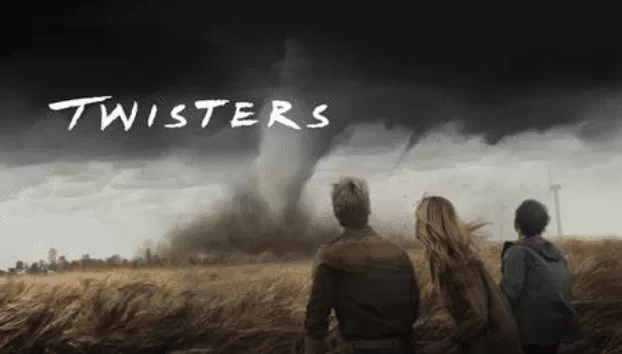
During the Hollywood Climate Summit held on Wednesday, esteemed director Lee Isaac Chung, executive producer Ashley Jay Sandberg, and acclaimed actor Brandon Perea were accompanied by actual tornado experts to engage in a meaningful discussion. The focal point of this discourse pertains to the meticulous integration of scientific principles and climate change themes within their upcoming cinematic masterpiece, "Twisters."
The new film is a modern rendition of the 1996 project with the same title. It depicts the gripping story of storm chasers faced with a life-or-death situation as numerous tornadoes converge over central Oklahoma. Kevin Kelleher, a technical adviser employed at the National Severe Storms Laboratory, contributed his expertise to both the original and current productions. Recognizing the scientific shortcomings of the 1996 version, he acknowledges a substantial number of inaccuracies from a scientific standpoint.
Kelleher highlighted the significant technological advancements witnessed over the last three decades, specifically emphasizing the extensive utilization of cellphones and the availability of vast amounts of data, such as radar technology. He underscored the increased awareness of weather events among Midwest residents. Moreover, he expressed confidence in the movie's depiction, recognizing the importance of public perception and the scrutiny that the film will undoubtedly encounter.
He admitted, however, that there is some Hollywood embellishment in the storyline, and it incorporates elements of science fiction at certain moments. He also cautioned against storm chasing, emphasizing the hazards involved, stating, "Engaging in this activity is extremely perilous... I strongly advise against it."
Tornado consultant Sean Waugh stated that this is a unique opportunity to share the science behind the movie and set an example. He mentioned that when the original movie came out, enrollment tripled over the next 20 years. He believes the same will happen with this movie.
The panel further explored the film's incorporation of Universal's Greener Light sustainability program during its production, along with its portrayal of the profound effects of climate change on weather patterns.
Waugh examined the problem of climate change and its observable ramifications within the geographical region traditionally referred to as Tornado Alley, recognized for its concentration of tornado activity across the United States. He highlighted recent inquiries suggesting a potential enlargement of this area. Although the overall count of tornadoes has not witnessed substantial alterations, Waugh underscored a pattern indicating a decline in the total count of tornado days while witnessing a rise in the intensity and activity during the occurrence of tornadoes. This transformation culminates in more extensive and meaningful tornado incidents, with greater intervals between them.