2026 Toyota bZ: Electrifying Overhaul, But Ergonomics Lags
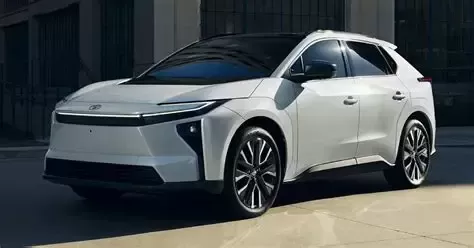
For 2026, Toyota has thoroughly revamped its compact electric SUV, starting with a simplified name, now just the bZ. This update brings a new entry-level model and addresses critical areas with substantial upgrades to power, driving range, and charging capabilities. These changes aim to correct the flaws of the previous version and position the bZ as a far more compelling option in the competitive EV market.
Performance and On-Road Manners
The 2026 bZ delivers a genuinely engaging driving experience. The all-wheel-drive variant, in particular, receives a major power increase to 338 horsepower, a substantial leap from the previous 214 hp. This results in brisk acceleration and confident stability at higher speeds, although the vehicle is limited to a top speed of 103 mph. On winding roads, its superb chassis and minimal body roll make for an entertaining drive. The steering is notably light and responsive, feeling more agile than what's typical for a compact SUV. Both the braking response and throttle modulation feel refined and predictable. However, the ride can be unrefined over imperfect pavement, with noticeable tire noise, wind intrusion, and a jarring feel over bumps.
Interior Design and Features
Inside, the bZ features stylish heated cloth seats with a distinctive black-and-white woven pattern. Their ergonomic shape provides excellent comfort for occupants. Beyond the seats, however, the cabin presents a rather stark and uninspired environment dominated by vast expanses of black plastic. On the plus side, a new center stack incorporates a convenient dual wireless charging pad. Storage, however, is less than ideal, with limited small-item cubbies and a design that forces you to place larger items in a less accessible area beneath the center console. The bulky gear selector also occupies a significant amount of space that could have been used more efficiently.
Ergonomics and Technology Interface
The user experience inside the bZ is a mixed bag. The steering wheel is cluttered with an excessive number of buttons, leading to confusion. The controls for the adaptive cruise control are particularly unintuitive, with several buttons that have overlapping or unclear functions for setting speed, following distance, and lane-keeping assistance. The digital instrument cluster is another point of contention; its small size is packed with too much information, compromising readability at a glance.
The most significant ergonomic issue is the placement of the driver's display. Positioned high on the dashboard near the base of the windshield, it requires the driver to adopt an unnatural seating position—sitting higher while lowering the steering wheel into their lap—just to get a clear view of the gauges. Furthermore, the driver monitoring system is overly sensitive, frequently issuing alerts if you glance at the central infotainment screen for more than a moment. On a positive note, the new 14.0-inch infotainment display is a clear improvement, featuring permanent climate controls at the bottom and well-designed physical knobs.
Passenger Space and Cargo Utility
The rear seating area is commendably spacious, offering ample room for passengers. It is well-equipped with amenities, including seat-back pockets, air vents, USB ports, and heated outboard seats, though the plain design aesthetic continues here. A power-operated tailgate opens to a wide cargo area. While it lacks side storage cubbies, it includes practical features like shopping bag hooks, a high-power 120V outlet, and a dedicated storage compartment under the floor that is perfectly sized for the vehicle's charging cable.
An Improved Value Proposition
With a new, lower starting price, the 2026 Toyota bZ offers compelling value. The substantial enhancements to its powertrain and range, combined with its sporty and spirited driving dynamics, make it a vastly improved vehicle. For buyers who can adapt to its unique ergonomic layout, the bZ now stands as a much stronger contender in its class.