Sierra EV: Second Chance, But Does It Deliver Value?
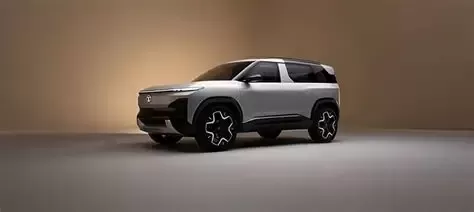
After an initial debut limited to a six-figure Denali launch edition, the GMC Sierra EV is expanding its lineup for 2026 with more accessible models, including the base Elevation and the rugged AT4. The question on everyone's mind was whether these new, more budget-friendly trims could resolve the value concerns that plagued the original, high-priced version.
The Price of Options
While the new Sierra EV Elevation trim starts at a more palatable price point, achieving that figure comes at the cost of standard features. GMC's strategy involves making many of the truck's most compelling technologies optional extras. Our test model, an Elevation trim, illustrated this perfectly. It began with a base price around $65,000 but was equipped with several key upgrades that quickly inflated the final cost.
These additions included:
- An upgrade to the mid-tier Extended Range battery pack.
- The versatile MultiPro Midgate system.
- The faster 800-volt charging architecture, a significant step up from the standard 400-volt system.
- GM's acclaimed Super Cruise hands-free driving assistant.
With these and other packages included, the final price of our test truck soared to $86,395, eroding much of its initial value proposition.
Feature Limitations and Trim Hierarchies
Unfortunately, buyers cannot simply option their way to a perfectly specified truck. GMC reserves some of the most desirable features for its top-tier models. For instance, the Elevation trim is ineligible for the Max Range battery, a crucial component for maximizing towing capability and alleviating range anxiety.
Furthermore, two key technologies that significantly enhance the driving experience are also locked to more expensive trims. Rear-wheel steering, which dramatically improves the large truck's agility and maneuverability in tight spaces, is unavailable on the Elevation. The same goes for the adaptive air suspension, a feature that provides a smoother ride, improves highway efficiency by lowering the vehicle, and increases capability with adjustable ground clearance for off-road situations.
A Glaring Omission in Off-Road Capability
Perhaps the most significant shortcoming discovered during testing was the Sierra EV's performance off the beaten path. No trim level, not even the off-road-focused AT4, is equipped with a locking rear differential. Instead, the truck relies on a brake-based torque vectoring system to manage traction. In real-world testing on loose, sandy terrain, this system failed to deliver, struggling in conditions where a true mechanical or electronic locker would excel.
The lack of traction was so pronounced that our evaluators deemed further off-road testing unproductive, expressing serious doubts about the truck's ability to handle something as common as a steep, snow-covered driveway. This engineering choice is particularly puzzling given that GMC's own Hummer EV, which shares the same platform, features a virtual rear e-locker system that could have been implemented in the Sierra EV.
Bright Spots in a Compromised Package
Despite these significant drawbacks, the Sierra EV is not without its merits. The Super Cruise system remains a standout feature, performing flawlessly during highway commutes and even while pulling a heavy 6,900-pound trailer. Inside, the cabin is exceptionally spacious, and the standard cloth upholstery in the Elevation trim is both attractive and durable, defying its "base model" status. The abundance of power outlets throughout the interior and exterior also adds a layer of practical utility that owners will appreciate.
Even with these positive attributes, the overall package feels compromised. The pricing strategy for the lower trims creates a difficult choice between affordability and functionality, while the baffling lack of a proper off-road traction system limits the truck's versatility. For now, several competing electric pickups on the market present a more compelling and well-rounded offering.