
White House Retracts In-N-Out Beef Tallow Claim: April Fool's Joke Leads to Official Error
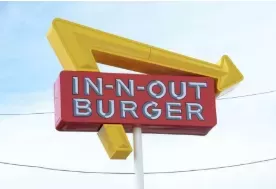
A recent White House press release highlighting the "Make America Healthy Again" (MAHA) initiative made a surprising error, claiming that In-N-Out Burger had switched to cooking with 100% beef tallow. This claim, however, originated from an April Fool's Day joke posted by a fan account on X (formerly Twitter), causing considerable confusion. The White House has since retracted the statement.
The April Fool's Fiasco
On April 1st, the X account @innoutburger_, clearly identified as a fan account with the disclaimer "Not affiliated with In-N-Out," posted a message announcing In-N-Out's supposed transition to beef tallow, effective May 1, 2025. The post, intended as a lighthearted prank, garnered significant attention, racking up 5 million views and sparking widespread speculation.
The account quickly clarified the joke with follow-up posts, including an "April Fools" graphic and a message stating, "Just to clarify, since some people may have not seen my follow-up post, this was an April Fools joke. I never troll, besides today…"
Despite the clarification, the initial post was taken seriously by some, eventually making its way into an official White House press release titled "President Trump Delivers on MAHA Push," published on July 14th. The release aimed to showcase food and beverage companies' efforts to align with the MAHA initiative. Among announcements of dye and additive removals, the release incorrectly stated that In-N-Out had transitioned to beef tallow, linking to the misleading X post.
In-N-Out's Official Response
In response to the White House's erroneous claim, In-N-Out's Chief Operating Officer, Denny Warnick, issued a statement to USA TODAY, clarifying that the chain had not changed its frying method. "Information was recently published in error stating that In-N-Out Burger has transitioned to beef tallow for cooking French fries," Warnick stated. "We continue to work on an upgrade to our current sunflower oil, however, we have not yet made a change."
The White House has since updated its release, removing the incorrect information about In-N-Out's supposed switch to beef tallow. The corrected statement now accurately reflects In-N-Out's commitment to removing synthetic food dyes and artificial flavors from its menu items, as reported in a May 16th Good Morning America segment.
The Beef Tallow Trend: A Real Movement
While In-N-Out is not currently using beef tallow, the incident highlights a growing trend among restaurants towards using this traditional cooking fat. Some establishments are ditching seed oils in favor of beef tallow due to perceived health benefits and a richer flavor profile.
Why Beef Tallow?
Beef tallow, rendered beef fat, is gaining popularity as a cooking oil due to:
- Flavor: Many chefs and consumers prefer the richer, more savory flavor that beef tallow imparts to fried foods.
- Nutritional Profile: Proponents of beef tallow point to its composition of saturated, monounsaturated, and polyunsaturated fats, as well as fat-soluble vitamins. Some believe these fats can offer health benefits, such as immune support.
- MAHA Support: Prominent figures like Robert F. Kennedy Jr., advocate for using beef tallow, considering seed oils unhealthy.
Restaurants Embracing Beef Tallow
Several restaurants have already made the switch to beef tallow:
- Steak 'n Shake: Switched to beef tallow to support MAHA.
- Smashburger: Known for its flavorful beef tallow-fried smashburgers.
- Popeyes: Certain locations have experimented with beef tallow for specific menu items.
- Buffalo Wild Wings: Exploring tallow options.
- Outback Steakhouse: Also exploring tallow options.
Beef Tallow vs. Seed Oils: A Nutritional Debate
The debate over whether beef tallow is healthier than seed oils is ongoing. The Mayo Clinic notes that beef tallow contains saturated, monounsaturated and polyunsaturated fats, as well as fat-soluble vitamins, which can have health benefits like immune support.
However, concerns remain about the high saturated fat content in beef tallow. Health experts generally advise moderation in saturated fat intake due to its potential impact on cholesterol levels.
On the other hand, seed oils (such as sunflower, soybean, and canola oil) are often criticized for their high omega-6 fatty acid content and the potential for oxidation at high temperatures. Some believe excessive consumption of omega-6 fatty acids can contribute to inflammation.
The following table summarizes the main points:
| Feature | Beef Tallow | Seed Oils (Sunflower, Soybean, Canola) |
|---|---|---|
| Fat Profile | Saturated, Monounsaturated, Polyunsaturated | Primarily Polyunsaturated |
| Vitamins | Contains Fat-Soluble Vitamins | Typically Low in Vitamins |
| Flavor | Rich, Savory | Neutral |
| Concerns | High Saturated Fat Content | High Omega-6 Content, Oxidation at High Heat |
| Health Debate | Potential Benefits, Cholesterol Concerns | Inflammation Concerns, Processing Concerns |
Conclusion
The White House's misinformed claim about In-N-Out highlights the importance of verifying information before disseminating it, especially in official communications. While In-N-Out remains committed to its current sunflower oil, the incident underscores the growing interest in beef tallow as a cooking fat and the ongoing debate about its nutritional benefits compared to seed oils. Whether more fast-food chains will follow Steak 'n Shake's lead and embrace beef tallow remains to be seen, but the conversation around healthy cooking fats is certainly heating up.